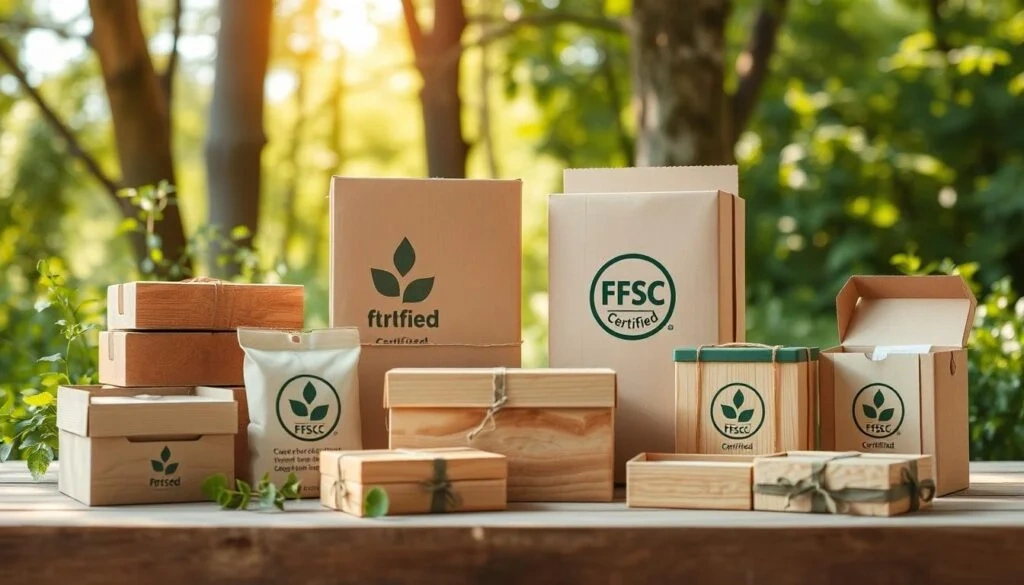
FSC certification signifies a commitment to sustainable forestry, which can greatly benefit eco-conscious companies. This certification enhances brand reputation and credibility, appealing to environmentally aware consumers. It also provides a competitive edge in a growing market for sustainable products. As companies align with FSC principles, they not only foster customer loyalty but also contribute to essential conservation efforts. The implications of these advantages extend beyond immediate profit, influencing long-term business sustainability and environmental responsibility.
Key Takeaways
- FSC certification signifies a commitment to sustainable forestry, enhancing brand reputation among eco-conscious consumers.
- It provides a competitive edge by appealing to the growing market of environmentally aware buyers.
- Certification assures responsible forest management, fostering trust and loyalty among stakeholders and customers.
- It supports biodiversity conservation and combats climate change, aligning businesses with global sustainability efforts.
- By promoting social equity and economic viability, FSC certification strengthens community ties within the eco-conscious market.
Understanding FSC Certification Meaning and Its Importance
FSC certification meaning extends beyond a mere label; it represents a commitment to sustainable forestry practices that resonate with eco-conscious companies. This certification signifies that products originate from responsibly managed forests, promoting environmental stewardship, social equity, and economic viability. Companies embracing this certification align themselves with a global movement toward sustainability, appealing to a growing demographic of environmentally aware consumers. By understanding the importance of FSC certification, businesses can enhance their credibility and foster a sense of belonging within the eco-conscious community. This alignment not only fulfills corporate social responsibility but also positions companies as leaders in the sustainable marketplace, encouraging others to join the initiative. The FSC certification ultimately serves as a powerful tool for collective environmental change.
Enhancing Brand Reputation Through Sustainable Practices
Sustainable practices can markedly influence a company’s brand reputation, especially in a marketplace increasingly dominated by eco-conscious consumers. The adoption of FSC certification meaning signifies a commitment to responsible forestry, appealing to customers who prioritize environmental stewardship. This certification not only enhances credibility but also fosters trust among stakeholders, from suppliers to consumers. Companies that align their operations with sustainable practices are often perceived as more socially responsible, which can lead to increased customer loyalty and brand advocacy. As consumers become more discerning, they are likely to support brands that reflect their values. Consequently, embracing sustainable practices through FSC certification can serve as a powerful differentiator, enhancing brand reputation and creating a sense of belonging among eco-conscious audiences.

Gaining a Competitive Edge in Eco-Conscious Markets
As consumers increasingly prioritize environmental responsibility in their purchasing decisions, companies that adopt FSC certification meaning can secure a significant competitive advantage in eco-conscious markets. This certification not only signifies a commitment to sustainable forestry practices but also resonates with a growing demographic of environmentally aware consumers. By aligning their brand with FSC principles, companies enhance their appeal, fostering loyalty among eco-conscious buyers who seek authenticity and transparency in their choices. Additionally, the FSC certification meaning distinguishes businesses from competitors, positioning them as leaders in sustainability. This differentiation can lead to increased market share and improved customer trust, ultimately driving long-term profitability while contributing positively to the environment and society. Therefore, embracing FSC certification is a strategic move for forward-thinking companies.
Meeting Consumer Demand for Environmentally Friendly Products
With the growing emphasis on environmental stewardship, companies that embrace the FSC certification meaning are better positioned to meet the rising consumer demand for environmentally friendly products. As consumers become increasingly aware of their purchasing power, they actively seek brands that align with their values of sustainability and ethical sourcing. FSC certification serves as a credible assurance of responsible forest management, thereby appealing to eco-conscious buyers. By adopting FSC certification, companies not only enhance their brand image but also foster a sense of community among environmentally aware consumers. This alignment with consumer values not only drives sales but also cultivates brand loyalty, as customers feel connected to a larger mission of sustainability and conservation, making them more likely to choose certified products.
Contributing to Global Forest Conservation Efforts
While many companies are working to enhance their environmental credentials, embracing the FSC certification meaning allows them to make a significant contribution to global forest conservation efforts. This certification not only promotes sustainable forestry practices but also fosters a sense of community among eco-conscious businesses.
- It supports the preservation of biodiversity by ensuring responsible forest management.
- It helps combat climate change by promoting the reduction of deforestation and forest degradation.
- It enhances corporate reputation, aligning companies with a growing consumer demand for sustainability.
Frequently Asked Questions
How Long Does the FSC Certification Process Take?
The FSC certification process typically takes between three to twelve months, depending on the complexity of the organization’s operations and the preparedness of their documentation. Thorough preparation can expedite this essential process for sustainability.
What Are the Costs Associated With Obtaining FSC Certification?
The costs associated with obtaining FSC certification typically include application fees, annual fees, and auditing expenses, which can vary based on the organization’s size and complexity, ultimately reflecting a commitment to sustainable practices and responsible sourcing.
Can Small Businesses Qualify for FSC Certification?
Yes, small businesses can qualify for FSC certification. By demonstrating commitment to sustainable practices and meeting required standards, these enterprises can enhance their credibility, attract eco-conscious consumers, and contribute positively to environmental conservation efforts.
Is FSC Certification Recognized Internationally?
Yes, FSC certification is recognized internationally, establishing a global standard for responsible forest management. This recognition fosters trust and credibility among eco-conscious consumers, enhancing brand loyalty while promoting sustainable practices across diverse markets worldwide.
What Happens if a Company Loses Its FSC Certification?
If a company loses its FSC certification, it can face reputational damage, loss of consumer trust, and potential financial implications, as eco-conscious customers increasingly seek out certified products to support sustainable practices and responsible sourcing.
Conclusion
To sum up, FSC certification serves as a pivotal asset for eco-conscious companies, aligning their practices with sustainable forestry standards. By enhancing brand reputation and fostering customer loyalty, these businesses not only meet the growing demand for environmentally friendly products but also secure a competitive advantage in the marketplace. Furthermore, their commitment to global forest conservation efforts positions them as leaders in sustainability, ultimately driving long-term profitability while positively impacting the environment. This multifaceted approach is essential for success in today’s conscientious economy.
You May Also Like To Read: